logo
Inicio ProductosEquipo de laboratorio médico

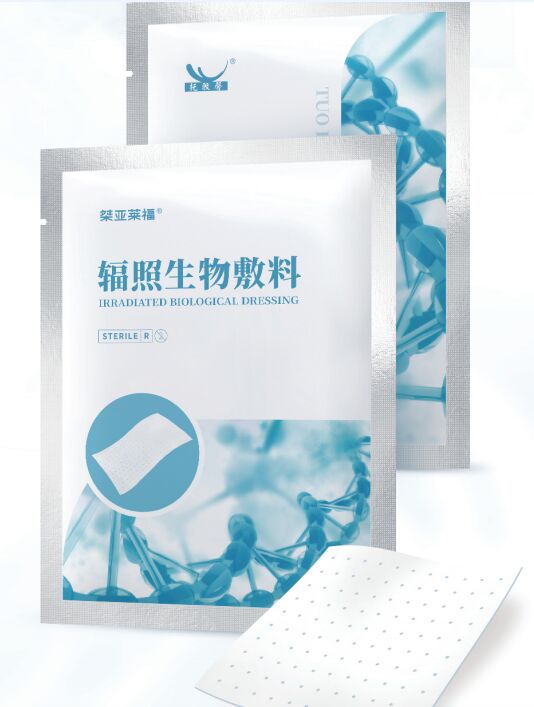
Anti-Infective Irradiated Biological Dressing for Large-Area Wounds

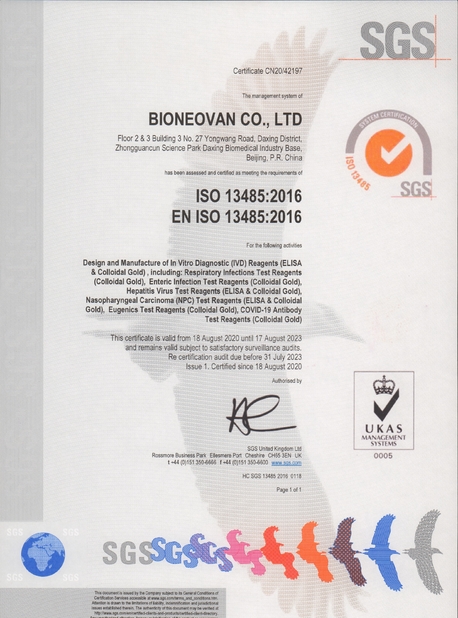
Certificación
Porcelana Biovantion Inc. certificaciones
Comentarios de cliente
Muy bueno. todo era completo. Gracias

—— Maryl Joy Prado-Philippines

Comunicación muy buena y fácil. Los productos trabajaron bien con controles positivos y grupos de prueba. Ordenaría otra vez sin vacilación.

—— Olof Olson, Estados Unidos

Estoy en línea para chatear ahora

Anti-Infective Irradiated Biological Dressing for Large-Area Wounds

Anti-Infective Irradiated Biological Dressing for Large-Area Wounds

Ampliación de imagen :  Anti-Infective Irradiated Biological Dressing for Large-Area Wounds

Datos del producto:
Lugar de origen: Porcelana
Nombre de la marca: Biovantion
Certificación: ISO13485
Pago y Envío Términos:
Cantidad de orden mínima: 10
Precio: Negociable
Detalles de empaquetado: Caja de cartón
Tiempo de entrega: 7-15 días
Condiciones de pago: PAGO DEL 100%
Capacidad de la fuente: 100000

Anti-Infective Irradiated Biological Dressing for Large-Area Wounds

descripción
Resaltar:

irradiated biological wound dressing

,

anti-infective large-area wound dressing

,

medical-grade biological wound dressing

Irradiated Biological Dressing


Introduction for Use (Step-by-Step)


01 | Debridement

 
Thoroughly debride the wound, achieve adequate hemostasis, ensure a flat wound base, and irrigate the wound surface.
 

02 | Thawing

 
After the dressing is softened by thawing, remove it from the package for immediate use.
 

03 | Application

 
Apply the dermal (medicated) side firmly and closely to the wound surface, avoiding wrinkles.
 

04 | Trimming

 
Trim off any excess material as needed to fit the wound.
 

05 | Bandaging & Securing

 
Apply pressure bandaging with sterile secondary dressings. Recommended protocol: Vaseline gauze + multiple layers of mesh gauze + elastic bandage for compression.
Anti-Infective Irradiated Biological Dressing for Large-Area Wounds 0
Category Guideline
Strict Aseptic Handling Remove the packaged irradiated biological dressing from the freezer. Thaw and soften it at 35°C, then take the skin graft out of the package under sterile conditions for direct use. Do not wash the dressing, and do not apply the folded inner surface directly to the wound.
Usage Duration The total continuous use of the product must not exceed 30 days.
Temporary Covering Material This product is not an implantable material and is intended only for temporary coverage of wounds.
Allergy History Use with caution in patients allergic to sulfadiazine zinc, or follow medical advice.
Transportation & Storage Transport via general vehicles. Store frozen at -18°C.


Wound Type Recommended Management Protocol
Superficial Partial-Thickness (Superficial II°) Burn Wounds Typically, the irradiated biological dressing does not need replacement; the outer secondary dressing is usually changed 1–2 times until healing. Ensure secure fixation at joint sites to prevent movement.
Deep Partial-Thickness (Deep II°) or Mixed-Depth Burn Wounds Perform the first dressing change after 3 days. Assess adherence of the irradiated biological dressing to the wound. If adherence is good, re-bandage until healing. If there is excessive exudate with local dissolution of the dressing, replace the irradiated biological dressing in the affected area as needed.
Microskin Graft Wounds The dressing effectively protects the wound, prevents infection, and promotes autologous skin graft survival and expansion without occupying space. The irradiated biological dressing will dry and slough off naturally during healing.
Donor Site Wounds Cover the donor site with the irradiated biological dressing until healing. The outer secondary dressing may be changed 1–2 times during this period. The irradiated biological dressing will dry and slough off naturally.
Chronic Wounds Perform the first dressing change 24–28 hours post-application. Subsequent dressing change intervals may be extended appropriately based on wound condition. Small-area wounds may heal spontaneously; large-area wounds are prepared for skin grafting.
Wound Type Recommended Management Protocol
Superficial Partial-Thickness (Superficial II°) Burn Wounds Typically, the irradiated biological dressing does not need replacement; the outer secondary dressing is usually changed 1–2 times until healing. Ensure secure fixation at joint sites to prevent movement.
Deep Partial-Thickness (Deep II°) or Mixed-Depth Burn Wounds Perform the first dressing change after 3 days. Assess adherence of the irradiated biological dressing to the wound. If adherence is good, re-bandage until healing. If there is excessive exudate with local dissolution of the dressing, replace the irradiated biological dressing in the affected area as needed.
Microskin Graft Wounds The dressing effectively protects the wound, prevents infection, and promotes autologous skin graft survival and expansion without occupying space. The irradiated biological dressing will dry and slough off naturally during healing.
Donor Site Wounds Cover the donor site with the irradiated biological dressing until healing. The outer secondary dressing may be changed 1–2 times during this period. The irradiated biological dressing will dry and slough off naturally.
Chronic Wounds Perform the first dressing change 24–28 hours post-application. Subsequent dressing change intervals may be extended appropriately based on wound condition. Small-area wounds may heal spontaneously; large-area wounds are prepared for skin grafting.

Contacto
Biovantion Inc.

Persona de Contacto: Mr. Steven

Teléfono: +8618600464506

Envíe su pregunta directamente a nosotros (0 / 3000)